
Dallas CCTV Installers installs security cameras for Dallas–Fort Worth homes. Start with the spots you want to check from your phone or review after an event. A small system for the front door and driveway can be enough for some homes. Other homeowners need to cover a side gate, detached garage, or rear patio as well.
A porch camera can give you a closer look at visitors and deliveries. A driveway camera can provide a wider view of vehicles and garage access. A camera at the side gate or patio can help explain activity out of sight of the front door. During planning, we consider the detail you need, shade, lighting, and physical features that could obstruct the camera.
A wired camera system can be a practical choice when there’s a good path for cables. Wi-Fi cameras can work in some locations, depending on signal and power. We’ll discuss how you want to keep recordings and whether your setup should support local storage, continuous recording, motion-based clips, or remote viewing.
Decide who needs to check cameras and what they’ll use the system for. One household member may watch for deliveries, while another needs to review clips. Compatible systems may support individual accounts or different permissions. After installation, we’ll walk you through the system features included in your setup.
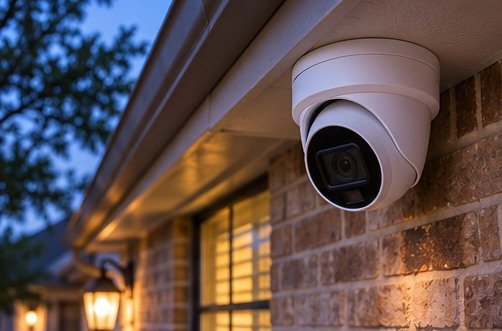
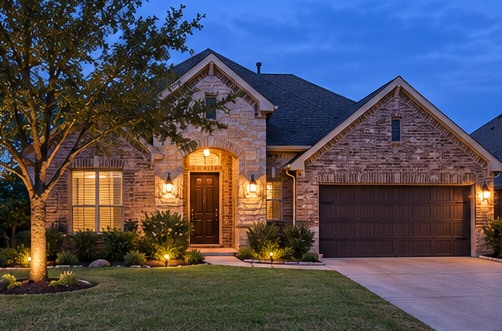
Most homes in Dallas–Fort Worth are covered well by four to eight cameras placed at the points people use to approach the house. We help you choose the ones that matter most for your layout.
Most incidents that homeowners want to review happen after dark, so we plan for night conditions from the start. Infrared and low-light cameras can produce clear images at night, but distance, angle and nearby lights all affect the result. A porch light behind a visitor, for example, can turn a face into a silhouette. We place cameras to avoid glare and recommend lighting changes when they will make a real difference.
North Texas heat, hail and spring storms are hard on equipment. We install outdoor-rated cameras, seal exterior connections and mount cameras under eaves where possible to protect them from direct weather.
If you are building or remodeling, plan cameras before the walls are closed. We can place network cable during rough-in, so the finished installation is clean and quick. For rental homes, we focus on exterior doors, driveways and gates, and we can set up separate access for owners and property managers.
A good home camera system covers your property without recording into your neighbors’ windows or backyards. We aim cameras at your doors, driveway, yard and gates, and on systems that support it we add privacy masks to block out areas you should not record. This keeps your footage focused, avoids disputes and reduces false alerts from activity next door.
Home system pricing depends on how many cameras you need, the type of camera at each location, how cable reaches each mounting point and whether you choose local recording, cloud storage or both. Two-story homes, detached buildings and long cable runs add time. We explain the options in your quote, so you can start with the most important views and add more later.
Choose two locations with the greatest practical value, such as the main visitor entrance and the driveway. Think about whether you need an overview or enough detail to see someone clearly.
Possibly. The distance from the main house, available power, cable access, and network connection all factor into the plan.
Share the plans and rough-in schedule early. That way, you can evaluate camera drops while the installer and builder have access to the structure.
Many DFW homes start with four to six cameras covering the front door, driveway, back door and side gates. Larger homes or lots with outbuildings may need more. We recommend a count based on your priorities, not a fixed package.
Yes. A video doorbell can add a close view of visitors at the door and work alongside the rest of your camera system.
Cameras and recorders need power. Adding a battery backup to the recorder and network equipment can keep the system recording through short outages.
In most homes, yes. We route cable through attics, walls and soffits so very little wiring is visible from outside.
Yes. Compatible systems let you create separate user accounts, so each family member can view cameras on their own phone.
Share your property location, coverage priorities, and any existing equipment so we can discuss your installation.